
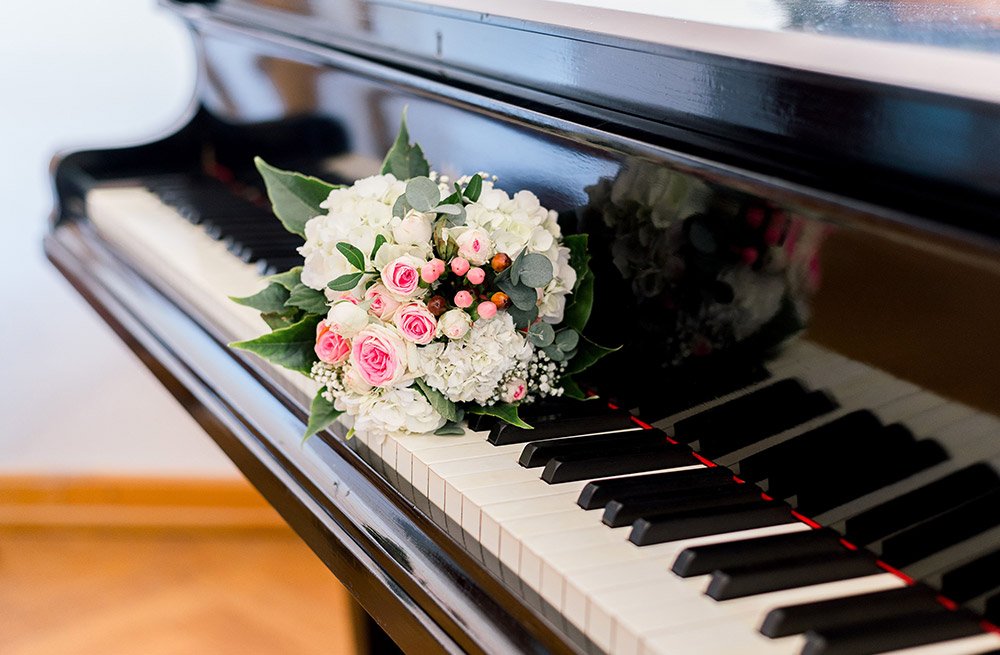
How to Choose a Pianist for Your Wedding Ceremony or Reception
You think to yourself, “What kind of music should I have for the ceremony? Should I employ a live pianist? If so, what kind of piano player would by right for the job?”

How Often Should You Tune a Piano in Louisville’s Climate?
In the ever-changing climate of the Louisville area, the following measures can be taken to help preserve the tuning stability and health of your piano: placement and regular maintenance.
What Happens During a Professional Piano Tuning? A Step-by-Step Look
First the tuner removes the necessary components of the piano to access the tuning pins (the music desk, the fallboard, etc.). For centuries, piano tuners have used a pitch reference (i.e. a tuning fork) to make sure the piano aligns with concert pitch. This method is time-honored and effective.
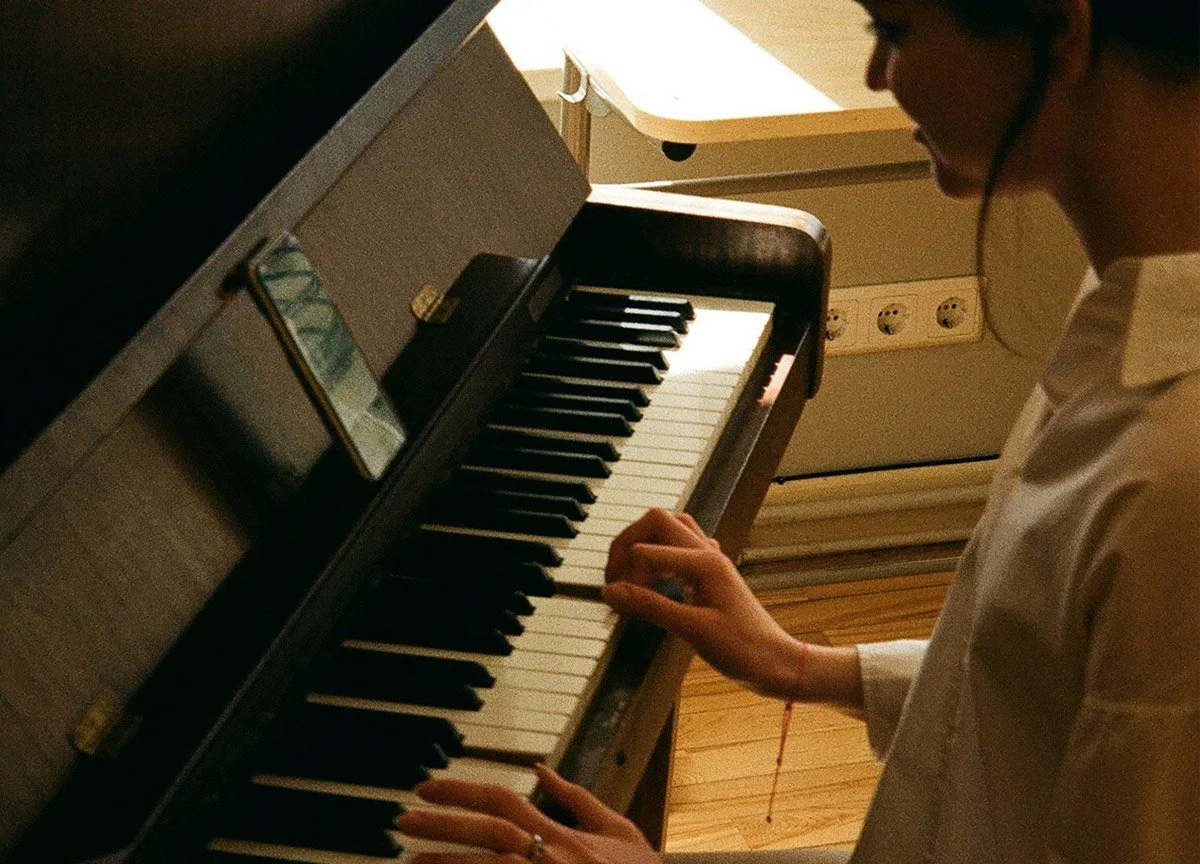
New Piano Owners: Why the First Year of Tuning Matters More Than You Think
Part of our service at Marcum Music Services is to decrease friction for our clients regarding reminders and scheduling. Once we’ve been to your home to tune once, we will reach back out to you at the regularly recommended intervals so you never even have to think about it.

Do temperature and humidity really affect the tuning of my piano?
What is the ideal environment for a piano to have a long, stable life? Most pianos made for American and European markets are made to be in an environment of around 40-50% relative humidity. (Mario Igrec, Pianos Inside Out, 85). Temperature-wise, a piano should be ideally kept between 65-75 degrees F.
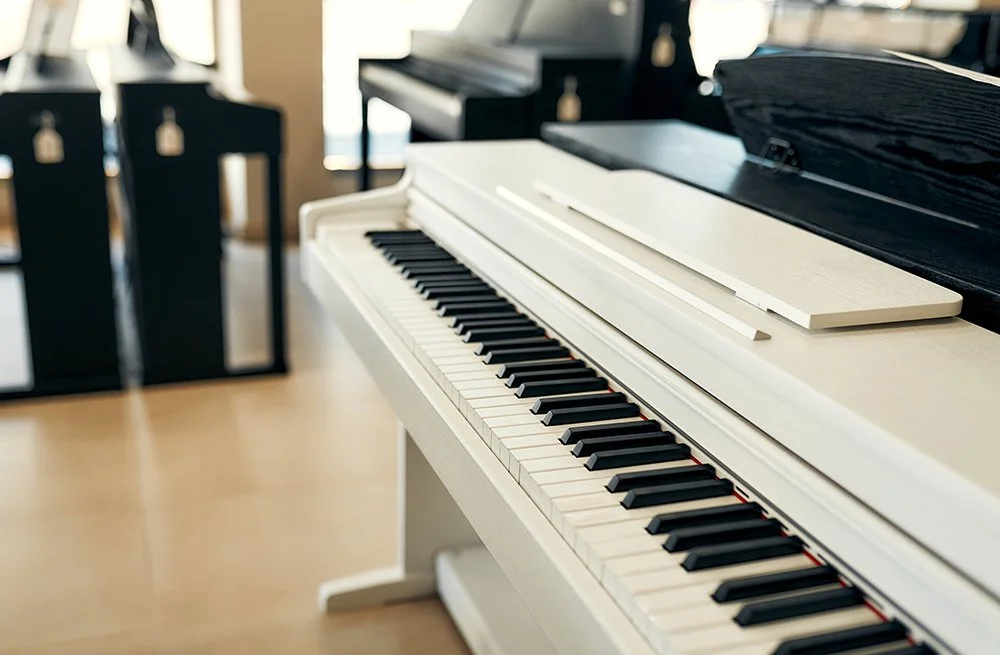
Upright vs. Grand Piano Tuning: What’s the Difference?
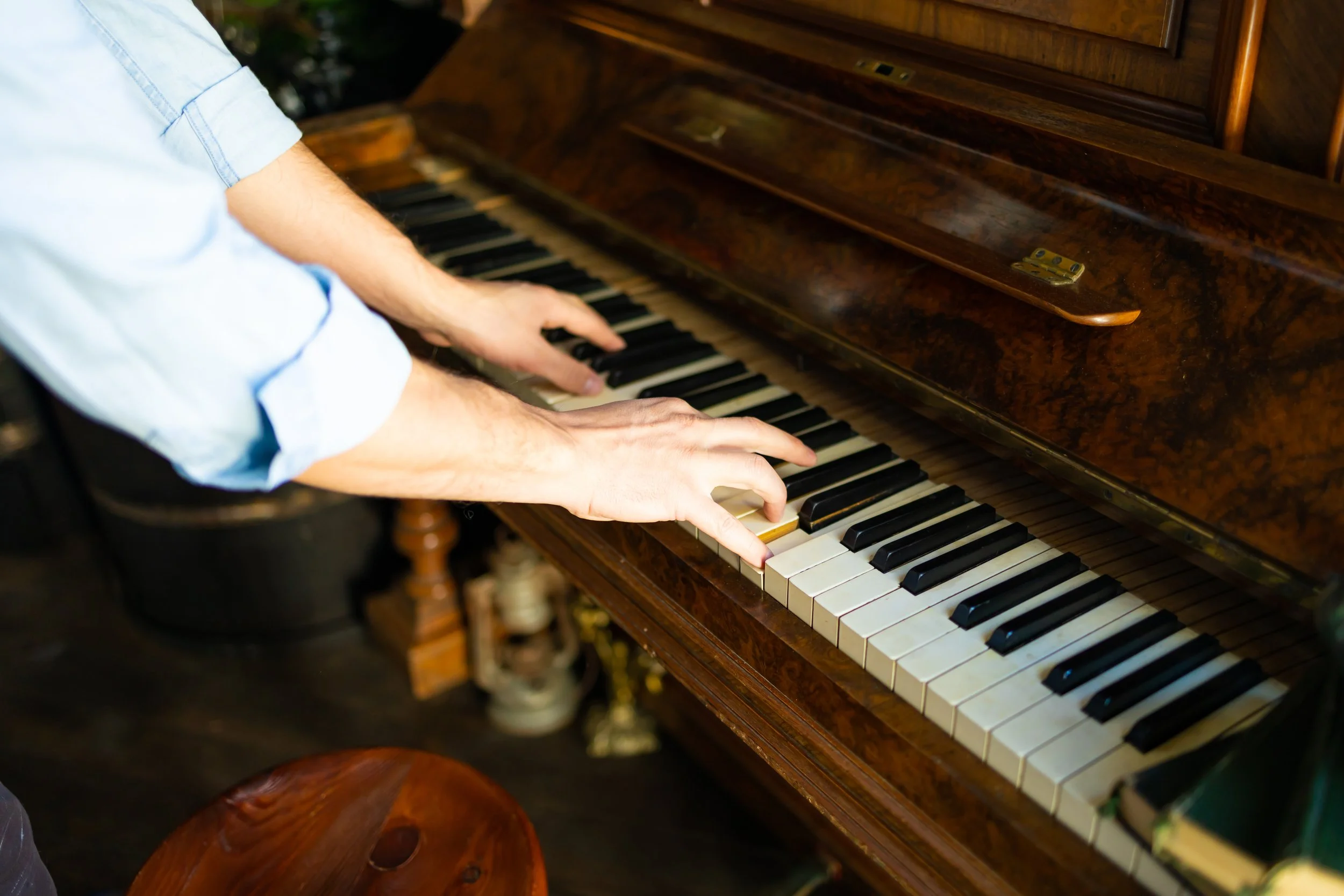
Pianos come in all different shapes, sizes, and designs, with the main two styles being vertical (or upright) pianos and grand pianos. While these two piano styles have many similarities, how different are they when it comes to the act of tuning?
If it sounds fine, why should I have my piano tuned?
Even if a piano doesn’t sound out of tune, it should be tuned regularly because the pitch of all pianos will fall flat over time (5-15% of a half step per year, on average). In some cases, if a piano goes long enough without a tuning, it may even slip an entire half-step flat without the player noticing.